

Introduction
Living a healthy and fulfilling life starts with adopting better lifestyle habits. These habits shape our daily routines, influence our energy levels, mental health, and even our overall happiness. Many people believe that achieving a healthier lifestyle requires drastic changes, but the truth is small, consistent actions can lead to significant improvements over time.
Better lifestyle habits are not just about eating healthy or exercising regularly; they encompass mental well-being, social connections, productivity, and sleep. When combined, these practices create a balanced life that supports both your physical and mental health. Beginners often get overwhelmed by too much information, but a structured approach can make the journey easier and more enjoyable.
This article will explore the concept of better lifestyle habits, explain why they are important, provide a detailed step-by-step guide to implementing them, and discuss the benefits, risks, and common mistakes. You will also find FAQs and expert tips to help you stay consistent and motivated. By the end, you’ll have a clear roadmap to transform your daily routines and embrace habits that lead to a healthier, happier life.
Whether you’re a beginner looking to make small changes or someone who wants to refine existing routines, this guide is designed to provide practical advice in simple, easy-to-follow language. Let’s dive in and explore how better lifestyle habits can make a real difference in your life.
What is Better Lifestyle Habits?
Better lifestyle habits refer to consistent behaviors and routines that enhance your physical, mental, and emotional well-being. These habits go beyond short-term changes and focus on long-term improvements. They include choices like eating nutritious foods, exercising regularly, getting adequate sleep, managing stress, and cultivating positive social connections.
In essence, better lifestyle habits are the foundation of a balanced life. They help you maintain energy throughout the day, improve focus, reduce the risk of chronic diseases, and increase overall happiness. Unlike temporary diets or quick-fix solutions, lifestyle habits are sustainable practices that gradually transform the way you live.
For example, drinking water regularly, taking short walks, practicing gratitude, and limiting screen time are all simple habits that contribute to better health and well-being. The key is consistency and making these practices part of your daily routine rather than occasional efforts.
Why is Better Lifestyle Habits Important?
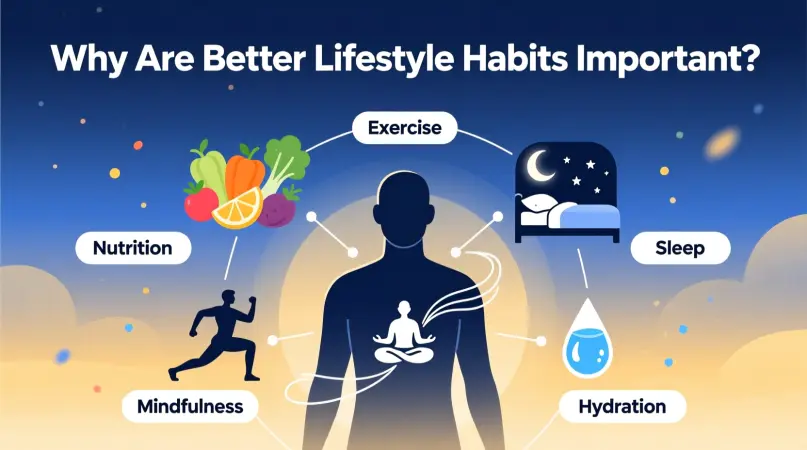
Adopting better lifestyle habits has profound impacts on both your physical and mental health. Here’s why it matters:
- Improves Physical Health: Regular exercise, balanced nutrition, and sufficient sleep strengthen your body, reduce the risk of chronic illnesses, and boost immunity.
- Enhances Mental Health: Positive habits like meditation, journaling, and stress management reduce anxiety and depression, improving overall mental well-being.
- Boosts Energy and Productivity: Healthy routines increase focus, mental clarity, and energy levels, allowing you to perform better at work or studies.
- Supports Longevity: Sustainable lifestyle habits can extend your life expectancy by preventing lifestyle-related diseases.
- Builds Discipline and Confidence: Following consistent routines instills discipline, improves self-esteem, and creates a sense of accomplishment.
- Improves Relationships: Social habits like regular family time, communication, and empathy enhance personal connections and emotional support.
In short, better lifestyle habits are not just about looking or feeling good—they are about creating a life that is healthier, more balanced, and fulfilling.
Detailed Step-by-Step Guide to Better Lifestyle Habits
1. Nutrition: Fuel Your Body Right
- Eat a variety of whole foods including vegetables, fruits, lean proteins, and whole grains.
- Limit processed foods, sugary drinks, and excessive salt intake.
- Drink at least 2–3 liters of water daily.
- Plan meals ahead to avoid unhealthy snacking.
Example: Start your day with a protein-rich breakfast like eggs or yogurt with fruits to maintain energy levels.
2. Exercise: Move Your Body Daily
- Aim for at least 30 minutes of moderate exercise 5 times a week.
- Include a mix of cardio, strength training, and flexibility exercises.
- Simple activities like walking, cycling, or yoga can be highly effective.
Example: Take a brisk walk after lunch or try 15–20 minutes of home workouts if you have a busy schedule.
3. Sleep: Prioritize Rest
- Adults need 7–9 hours of sleep per night.
- Maintain a consistent sleep schedule, even on weekends.
- Create a relaxing bedtime routine to improve sleep quality.
Example: Avoid screens at least an hour before bed and consider reading or meditating instead.
4. Mental Health: Manage Stress
- Practice mindfulness or meditation daily.
- Keep a gratitude journal to focus on positive aspects of life.
- Take breaks and avoid overloading yourself with tasks.
Example: Spend 10 minutes in the morning reflecting on three things you are grateful for.
5. Social Connections: Build Strong Relationships
- Spend quality time with family and friends.
- Engage in social activities or hobbies that connect you with like-minded people.
- Limit negative relationships that drain your energy.
Example: Schedule a weekly catch-up with a friend or family member to strengthen bonds.
6. Productivity and Time Management
- Set daily priorities and break tasks into manageable steps.
- Avoid multitasking and focus on one task at a time.
- Use tools like planners or apps to stay organized.
Example: Use a to-do list with 3 key tasks each day to maintain focus and avoid overwhelm.
7. Personal Growth: Lifelong Learning
- Read books, take online courses, or learn new skills.
- Set personal and professional goals and review them regularly.
- Reflect on achievements and areas for improvement.
Example: Dedicate 20 minutes daily to learning something new, like a language or skill.
8. Healthy Environment
- Keep your living space clean and organized.
- Surround yourself with positivity—both physical and digital.
- Avoid clutter and negative influences that hinder well-being.
Example: Remove unnecessary apps from your phone and declutter your workspace for better focus.
Benefits of Better Lifestyle Habits
- Improved overall health and reduced risk of diseases
- Increased energy and stamina
- Better mental clarity and reduced stress
- Stronger relationships and social support
- Enhanced productivity and focus
- Positive self-image and confidence
- Longevity and improved quality of life
Disadvantages / Risks
- Initial effort and adjustment period may feel challenging
- Over-restriction in diet or exercise can lead to burnout
- Unrealistic expectations can cause frustration
- Ignoring mental health aspects while focusing only on physical health
Note: These risks are avoidable by starting gradually and maintaining balance.
Common Mistakes to Avoid
- Setting unrealistic goals that are hard to maintain
- Skipping meals or over-restricting diets
- Exercising excessively without rest
- Ignoring sleep and recovery
- Neglecting mental and emotional well-being
- Comparing progress with others instead of focusing on personal growth
FAQs
1. How long does it take to develop better lifestyle habits?
It usually takes 21–60 days of consistent effort to form new habits, but long-term changes require ongoing commitment.
2. Can I start small and still see benefits?
Absolutely! Small, consistent changes like drinking more water, walking daily, or improving sleep can create significant improvements over time.
3. Do I need a gym membership to exercise?
No. Home workouts, yoga, walking, running, or cycling are effective alternatives for maintaining physical health.
4. How can I stay motivated?
Set achievable goals, track your progress, celebrate small wins, and surround yourself with supportive people.
5. Are better lifestyle habits only about physical health?
No. They include mental, emotional, social, and environmental aspects that contribute to overall well-being.
6. What should I do if I fail to follow habits for a few days?
Don’t worry. A temporary setback is normal. Reassess, adjust your plan if needed, and resume your habits without guilt.
7. Can lifestyle habits improve sleep quality?
Yes. Habits like avoiding screens before bed, exercising regularly, and maintaining a consistent sleep schedule significantly improve sleep quality.
8. How do I balance work, family, and personal habits?
Prioritize tasks, set boundaries, use time management tools, and allocate time for self-care and family without overloading yourself.
Expert Tips & Bonus Points
- Start with one habit at a time to avoid overwhelm.
- Use habit trackers to monitor progress and stay accountable.
- Mix physical and mental activities for holistic benefits.
- Practice mindfulness throughout the day, not just during meditation.
- Reward yourself for achieving milestones, but avoid unhealthy rewards like junk food.
- Surround yourself with a positive environment and supportive community.
- Remember, consistency is more important than perfection.
Conclusion
Better lifestyle habits are the key to living a healthier, happier, and more productive life. They are not about quick fixes but long-term sustainable changes that impact every aspect of your well-being. By focusing on nutrition, exercise, sleep, mental health, social connections, and personal growth, you can gradually transform your daily routines.
The journey towards better lifestyle habits requires patience, consistency, and self-compassion. Small steps taken consistently create lasting results. Avoid common mistakes like over-restriction or unrealistic goals, and embrace a balanced approach that nurtures both body and mind.
With the right mindset and practical strategies, anyone can adopt better lifestyle habits and enjoy improved energy, reduced stress, stronger relationships, and enhanced productivity. Start today, stay consistent, and celebrate the positive changes that come with living your best life. Better lifestyle habits are not just a choice—they are an investment in your future health, happiness, and well-being.