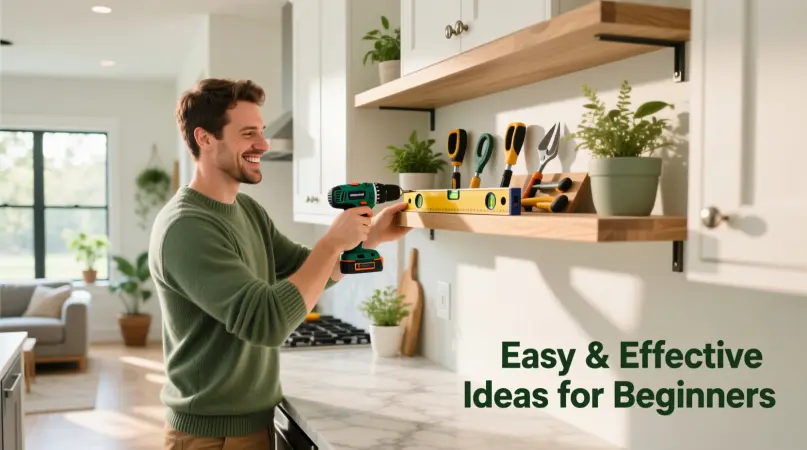

Home improvement is more than just making your house look nicer. It’s about creating a comfortable, functional, and beautiful living space that reflects your style and meets your daily needs. Whether you are a first-time homeowner or looking to refresh your current home, these home improvement tips can make a big difference without breaking the bank. From small DIY projects to larger renovations, improving your home is easier than you might think.
With the right guidance, you can increase your property’s value, enhance energy efficiency, and make your home more enjoyable. These home improvement tips will guide you step by step, offering practical ideas, safety advice, and insider tricks to achieve professional-looking results. By focusing on smart planning, budgeting, and creative solutions, even beginners can tackle home projects with confidence.
In this article, we will explore what home improvement really means, why it is important, a detailed step-by-step guide for key projects, the benefits and risks, common mistakes, and expert tips that make your efforts more effective. Whether your goal is a complete transformation or small enhancements, these tips will provide actionable insights for every part of your home. By following this guide, you can turn ordinary spaces into extraordinary ones while saving time and money.
What is Home Improvement?
Home improvement refers to the process of making changes or upgrades to your home to improve its appearance, functionality, and value. This can include both small DIY projects and major renovations. Home improvement is not limited to aesthetics; it also covers aspects like safety, energy efficiency, and comfort.
Examples of home improvement include:
- Painting walls or cabinets
- Updating lighting fixtures
- Renovating bathrooms or kitchens
- Landscaping your garden
- Adding storage solutions
The main goal of home improvement is to create a space that is visually appealing, functional, and personalized to your lifestyle. It can be as simple as changing decor or as complex as remodeling entire rooms.
Why is Home Improvement Important?
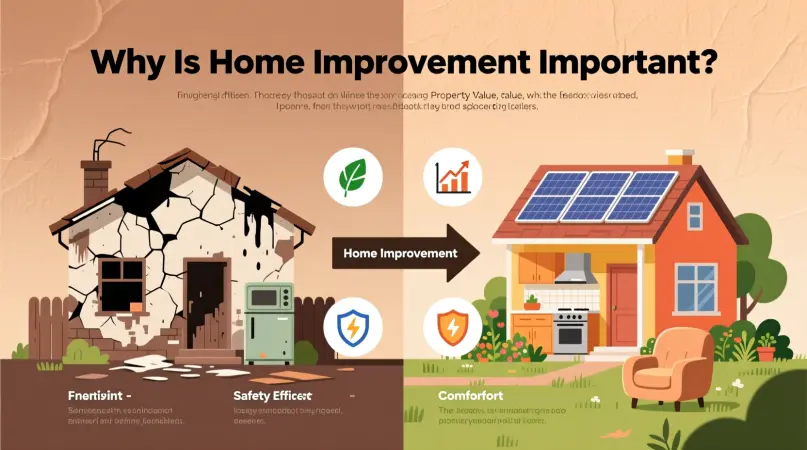
Home improvement is important for several reasons, ranging from personal comfort to financial benefits:
- Enhances Living Experience: A well-maintained and updated home creates a more comfortable and enjoyable environment.
- Increases Property Value: Renovations and upgrades can significantly boost your home’s market value, making it a smart investment.
- Improves Energy Efficiency: Upgrading insulation, windows, and appliances reduces energy bills and environmental impact.
- Reflects Personal Style: Home improvements allow you to express your taste and create a space that feels like your own.
- Boosts Safety: Repairs and updates can prevent accidents and structural issues, ensuring a safer home.
By focusing on home improvement, you not only enhance your day-to-day life but also prepare your property for future growth or sale.
Detailed Step-by-Step Guide
1. Plan Your Project
Before starting any project, planning is key. Identify the areas you want to improve and set clear goals. Consider your budget, time frame, and skill level.
Steps:
- Make a list of rooms or areas to improve
- Set priorities based on impact and cost
- Research materials, tools, and techniques
- Create a realistic budget
2. Start with Small DIY Projects
For beginners, small projects are a great way to gain confidence and see instant results.
Ideas:
- Painting walls with fresh colors
- Installing new shelves or storage solutions
- Replacing outdated light fixtures
- Adding decorative elements like curtains or rugs
3. Focus on High-Impact Areas
Certain areas have a bigger impact on home value and daily life. Kitchen and bathroom renovations are often the most effective.
Kitchen Tips:
- Replace old cabinets or handles
- Update countertops with cost-effective materials
- Add modern lighting
- Install energy-efficient appliances
Bathroom Tips:
- Upgrade faucets and showerheads
- Re-grout tiles for a fresh look
- Add storage for better organization
- Improve ventilation to prevent mold
4. Improve Energy Efficiency
Home improvement isn’t just about looks. Energy-saving upgrades reduce costs and environmental impact.
Suggestions:
- Install double-pane windows
- Add insulation to walls and attic
- Replace incandescent bulbs with LED
- Use programmable thermostats
5. Enhance Outdoor Spaces
Your home’s exterior is the first impression. Outdoor improvements boost curb appeal and create functional spaces.
Tips:
- Landscape your garden with flowers, shrubs, or trees
- Add patios or decks for outdoor living
- Paint or repair fences and gates
- Install outdoor lighting for safety and aesthetics
6. Maintenance and Repairs
Regular maintenance is part of home improvement. Fixing small issues prevents bigger problems later.
Checklist:
- Inspect roof and gutters
- Check plumbing for leaks
- Service heating and cooling systems
- Repair cracks in walls or floors
7. Upgrade Smartly
Invest in upgrades that offer long-term benefits. Smart home devices, storage solutions, and durable materials can make your home more efficient and appealing.
Examples:
- Smart lighting and security systems
- Modular furniture for flexible spaces
- Quality flooring that lasts for years
Benefits of Home Improvement
- Increases property value
- Enhances comfort and aesthetics
- Improves energy efficiency
- Prevents damage and repairs
- Boosts safety and security
- Encourages personalization and style
Disadvantages / Risks
- High upfront costs for major renovations
- Time-consuming projects
- Possible mistakes by inexperienced DIYers
- Temporary inconvenience during construction
- Risk of choosing low-quality materials
Common Mistakes to Avoid
- Skipping Planning: Lack of proper planning leads to wasted time and money.
- Ignoring Budget: Overspending can create financial stress.
- Choosing Style Over Function: Aesthetic choices should not compromise practicality.
- DIY Without Skills: Some tasks require professional expertise.
- Neglecting Maintenance: Upgrades lose value if basic maintenance is ignored.
- Overlooking Safety: Always use protective gear and follow safety guidelines.
FAQs
1. How much should I spend on home improvement?
The budget depends on the size of the project, the area being improved, and your goals. Start small and scale gradually to avoid overspending.
2. Can I do home improvements myself?
Yes, many projects are DIY-friendly, like painting, installing shelves, or minor decor changes. For complex tasks like plumbing or electrical work, hiring a professional is safer.
3. Which home improvement projects add the most value?
Kitchen and bathroom renovations, energy-efficient upgrades, and landscaping improvements typically offer the highest return on investment.
4. How do I choose materials for home improvement?
Select materials based on durability, cost, and style. Consider maintenance requirements and how long you plan to stay in the home.
5. Are home improvement loans worth it?
Loans can help fund large projects. Ensure interest rates are reasonable and that the improvement increases your home’s value enough to justify the cost.
6. How can I improve my home without major renovations?
Focus on decor updates, painting, lighting upgrades, storage solutions, and energy-efficient improvements. Small changes can have a big impact.
7. How often should I renovate my home?
It depends on wear and tear, personal taste, and budget. Regular maintenance combined with periodic updates every few years is ideal.
8. Are smart home upgrades part of home improvement?
Yes, integrating smart devices improves efficiency, security, and convenience, making them a modern home improvement trend.
Expert Tips & Bonus Points
- Prioritize High-Impact Areas: Focus on kitchens, bathrooms, and living areas first.
- Plan for Lighting: Good lighting enhances space and mood. Mix natural, ambient, and task lighting.
- Mix DIY and Professional Help: Save money by doing easy tasks yourself and hiring experts for complex projects.
- Keep Resale Value in Mind: Neutral colors and timeless designs appeal to future buyers.
- Track Expenses: Use apps or spreadsheets to monitor costs and avoid overspending.
- Be Patient: Rushing projects can lead to mistakes and subpar results.
- Personalize Smartly: Use decor and upgrades that reflect your personality without overwhelming the space.
Conclusion
Home improvement is a rewarding process that transforms your living space, enhances comfort, and adds value to your property. By following these home improvement tips, even beginners can achieve professional-looking results without unnecessary stress. From small DIY updates to energy-efficient upgrades and strategic renovations, each project contributes to a more functional, stylish, and safe home.
The key is planning carefully, prioritizing high-impact areas, and balancing aesthetics with practicality. Avoid common mistakes, budget wisely, and don’t hesitate to seek professional help when necessary. Remember, home improvement is not just about creating a beautiful home—it’s about making your daily life easier, more enjoyable, and better aligned with your lifestyle. With dedication, creativity, and the right approach, your home can become the space you’ve always dreamed of, reflecting your taste while improving comfort, efficiency, and value.