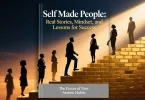

Introduction
Success stories have always fascinated people. They serve as proof that dreams are achievable, no matter how big or small. Everyone loves hearing how ordinary individuals overcame challenges to achieve extraordinary results. These stories are not just entertainment; they are learning tools. They teach resilience, determination, and the importance of hard work. When you read a success story, you can almost feel the energy and passion of the person behind it.
In today’s fast-paced world, where distractions are everywhere, success stories provide motivation. They show that success is not instantaneous; it is the result of consistent effort, learning from mistakes, and never giving up. Whether you are a student, entrepreneur, professional, or someone trying to improve your life, reading about the journeys of successful individuals can inspire you to take actionable steps toward your goals.
Success stories also help us understand that failure is not the end—it’s a stepping stone. Every successful person has faced setbacks, doubts, and challenges. What sets them apart is their persistence and positive mindset. By studying these stories, you learn practical lessons that can be applied in your own life. This article will explore what success stories are, why they are important, steps to create your own success, and valuable insights to avoid mistakes while achieving your goals.
What is Success Stories?
Success stories are narratives that highlight the journey of individuals or groups achieving remarkable goals. These stories typically focus on the challenges faced, strategies used, and the eventual success attained. They are more than just tales of accomplishment; they are lessons wrapped in real-life experiences.
A success story can be personal, like someone starting a small business and turning it into a thriving company. It can also be professional, such as a team completing a project that transformed their industry. Some stories are academic, showing how a student overcame obstacles to excel in studies. In every case, the key elements include struggle, persistence, learning, and achievement.
The beauty of success stories lies in their relatability. They make readers feel that “if they can do it, so can I.” They also highlight practical strategies and behaviors that lead to success. Success stories are commonly shared in books, articles, interviews, videos, and even social media. They have a universal appeal because everyone desires growth, recognition, and fulfillment in life.
Why is Success Stories Important?

Success stories serve multiple purposes beyond mere inspiration. Here are some reasons why they hold significant value:
- Motivation and Encouragement
Reading about someone who overcame adversity can ignite motivation in readers. It shows that no matter how tough circumstances are, determination can lead to success. - Practical Learning
Success stories provide real-life examples of strategies and decisions that worked. They can serve as blueprints or guidance for others pursuing similar goals. - Building Confidence
When you witness ordinary individuals achieving extraordinary results, it boosts your self-confidence and belief in your potential. - Highlighting Perseverance
These stories often emphasize persistence. Understanding that failure is a part of the journey helps individuals stay committed despite obstacles. - Inspiring Innovation
Many success stories involve creative solutions to problems. They can spark innovative thinking and encourage out-of-the-box approaches. - Teaching Life Lessons
Beyond business or career achievements, success stories teach values like honesty, patience, adaptability, and empathy. - Creating Role Models
They introduce readers to people whose achievements can serve as role models. Role models inspire positive habits and behaviors in others.
Success stories are not just for those seeking career success; they are beneficial for anyone aiming for personal growth, stronger relationships, health goals, or even learning new skills.
Detailed Step-by-Step Guide to Creating Your Own Success Story
Success stories are not only meant to be read—they can be created by anyone willing to take action. Here’s a step-by-step guide to help you craft your own journey of success.
Step 1: Set Clear and Realistic Goals
Success begins with clarity. You need to define exactly what you want to achieve. Goals should be specific, measurable, achievable, relevant, and time-bound (SMART). For example:
- Specific: “I want to start an online business selling handmade crafts.”
- Measurable: “I aim to earn $1,000 per month within six months.”
- Achievable: “I will dedicate 3 hours daily to business development.”
- Relevant: “This aligns with my passion for crafts and entrepreneurship.”
- Time-bound: “I will launch my first product within 30 days.”
Step 2: Create a Roadmap
Once your goals are clear, plan the path to reach them. Break the process into smaller, actionable steps. A roadmap helps you stay focused and measure progress. For instance, if your goal is writing a book:
- Outline the chapters
- Write 500 words daily
- Edit weekly
- Publish after completing 10 chapters
Step 3: Embrace Learning
Success stories often involve continuous learning. Successful people are always improving skills and knowledge. Attend workshops, read books, watch tutorials, and seek mentorship. Remember, every skill acquired increases your chances of success.
Step 4: Take Action Consistently
Planning alone is not enough. Action is the key difference between dreamers and achievers. Consistency is crucial—small steps taken daily can lead to massive results over time.
Step 5: Overcome Obstacles
Challenges are inevitable. What matters is your response to setbacks. Use failures as learning experiences. Analyze what went wrong, adapt, and move forward. This mindset turns obstacles into opportunities.
Step 6: Track Progress
Keep a journal or use digital tools to monitor your achievements. Tracking progress helps you stay accountable and motivated. Celebrate small milestones—they keep your energy high and your confidence strong.
Step 7: Build a Support System
Surround yourself with supportive and positive individuals. Mentors, friends, and peers can provide guidance, encouragement, and constructive criticism. Networking also opens doors for new opportunities.
Step 8: Share Your Story
Once you achieve success, sharing your journey can inspire others. Blogging, social media posts, interviews, or speaking engagements are effective ways to narrate your story. Your experiences can motivate someone else to start their journey.
Benefits of Success Stories
Reading or creating success stories has numerous advantages. Here are the key benefits:
- Inspiration and Motivation: Encourages readers to pursue goals passionately.
- Learning from Real Experiences: Provides practical strategies and tips.
- Boosts Confidence: Shows that challenges can be overcome.
- Promotes Resilience: Teaches the importance of persistence.
- Encourages Goal Setting: Inspires people to define and pursue objectives.
- Highlights Creativity and Innovation: Demonstrates problem-solving skills.
- Improves Decision-Making: Learn from others’ successes and mistakes.
- Strengthens Personal Growth: Encourages self-improvement and discipline.
Disadvantages / Risks
While success stories are powerful, there are a few potential pitfalls:
- Unrealistic Expectations: Some stories may exaggerate achievements, leading to unrealistic comparisons.
- Pressure to Succeed: Constant exposure to success stories might create unnecessary stress.
- Ignoring Individual Circumstances: Not all strategies work for everyone; personal situations differ.
- Overemphasis on Material Success: Some stories focus only on wealth, ignoring other important life aspects.
- Complacency: Relying solely on inspiration without action can lead to inaction.
Common Mistakes to Avoid
- Setting Vague Goals: Without clarity, progress is hard to measure.
- Procrastination: Delaying action can stall your journey.
- Fear of Failure: Avoiding challenges prevents growth.
- Ignoring Feedback: Constructive criticism is essential for improvement.
- Comparing with Others: Each journey is unique; focus on your path.
- Lack of Consistency: Sporadic effort rarely leads to meaningful success.
- Neglecting Health: Physical and mental well-being are crucial for sustained achievement.
FAQs
1. What is a success story?
A success story is a narrative describing how an individual or group overcame obstacles to achieve a goal. It highlights struggles, strategies, and achievements, providing motivation and learning lessons for others.
2. Why should I read success stories?
Reading success stories inspires, teaches practical strategies, and builds confidence. They show that challenges are part of the journey and motivate readers to pursue their goals.
3. Can anyone create their own success story?
Yes, anyone can. Success stories are not about luck; they are about persistence, learning, and taking consistent action toward defined goals.
4. How long does it take to achieve success?
Success varies for everyone. It depends on goals, efforts, skills, and circumstances. Some achieve quickly, while others require years of dedication. Patience and consistency are key.
5. What are the key elements of a success story?
The main elements include:
- Clear goals
- Challenges and obstacles
- Strategies and actions
- Persistence and learning
- Achievement and reflection
6. Are success stories only about career or business?
No, success stories can be personal, academic, health-related, or community-based. Any journey that involves overcoming challenges and achieving goals qualifies.
7. How can I use success stories to improve my life?
Analyze the strategies used, learn from mistakes, adopt positive habits, stay motivated, and apply lessons to your personal or professional goals.
8. Can failures be part of a success story?
Absolutely. Failures are often integral to success stories. They teach lessons, build resilience, and help individuals refine strategies to achieve their goals.
9. Should I compare my journey with others’?
Avoid direct comparison. Every journey is unique. Use others’ stories for learning and inspiration, not to judge your own progress.
10. How do I share my success story?
You can share via social media, blogs, videos, podcasts, or speaking events. Sharing your journey can motivate others and create opportunities for networking and recognition.
Expert Tips & Bonus Points
- Start Small: Focus on small wins before aiming for big goals.
- Stay Consistent: Daily actions accumulate into massive results.
- Learn from Mentors: Guidance from experienced individuals saves time and mistakes.
- Keep a Journal: Document your progress, challenges, and lessons learned.
- Celebrate Milestones: Recognizing achievements boosts motivation.
- Be Adaptable: Be ready to change strategies when faced with challenges.
- Network Effectively: Surround yourself with positive and supportive people.
- Maintain Balance: Success is holistic—focus on health, relationships, and personal growth.
- Give Back: Helping others creates a sense of fulfillment and inspires new connections.
- Never Stop Learning: Education and skill development are continuous processes.
Conclusion
Success stories are more than just tales of achievement—they are powerful tools for inspiration, learning, and personal growth. They teach us that success is not instantaneous but the result of dedication, resilience, and consistent effort. By studying these stories, you can understand the value of goal-setting, perseverance, and continuous learning.
Creating your own success story is possible for anyone willing to take deliberate action. Start with clear goals, maintain focus, learn from failures, and remain consistent. Celebrate small victories along the way and never underestimate the power of sharing your journey with others.
Success stories motivate us, provide practical strategies, and remind us that challenges are opportunities in disguise. They empower us to pursue dreams, overcome obstacles, and strive for a fulfilling life. Ultimately, your journey can become a source of inspiration for others, completing the cycle of growth, learning, and success.