
Introduction
Starting something new is exciting, but it can also feel confusing. Many people want to become independent, earn more money, or turn their passion into income, yet they struggle with one simple question: where do I begin? This is where new business ideas become important. The right idea can give you confidence, direction, and a clear path forward. However, choosing an idea without understanding the basics often leads to frustration and wasted time.
Today, opportunities are everywhere. Technology, remote work, changing lifestyles, and digital tools have opened doors that did not exist before. You no longer need a huge investment or a big office to start. With smart planning and the right mindset, even small business ideas can grow into stable income sources. The key is to understand what makes an idea practical, scalable, and suitable for your skills.
This article is written for beginners and intermediate readers who want clarity, not hype. You will learn what new business ideas really mean, why they matter, and how to choose one step by step. We will also discuss benefits, risks, common mistakes, and expert advice to help you move forward with confidence. Whether you are exploring startup ideas for the first time or looking for profitable business ideas to expand your income, this guide will help you think clearly and act wisely.
What is New Business Ideas?
New business ideas are fresh or improved ways of creating products or services that solve real problems. They are not always about inventing something completely new. In many cases, they focus on doing existing things better, faster, or more affordably. A simple change in delivery, pricing, or customer experience can turn an ordinary concept into a strong business.
These ideas can be online or offline. For example, a digital service like content writing or app support is as valid as a local service like home cleaning or food delivery. The main goal is to meet a need that people are willing to pay for. This is why research and observation matter so much.
New business ideas also depend on timing and trends. What works today may not have worked five years ago. Remote services, eco-friendly products, and personalized solutions are strong examples. When you understand your market and your own strengths, you can turn even simple startup ideas into reliable income streams.
Why is New Business Ideas Important?
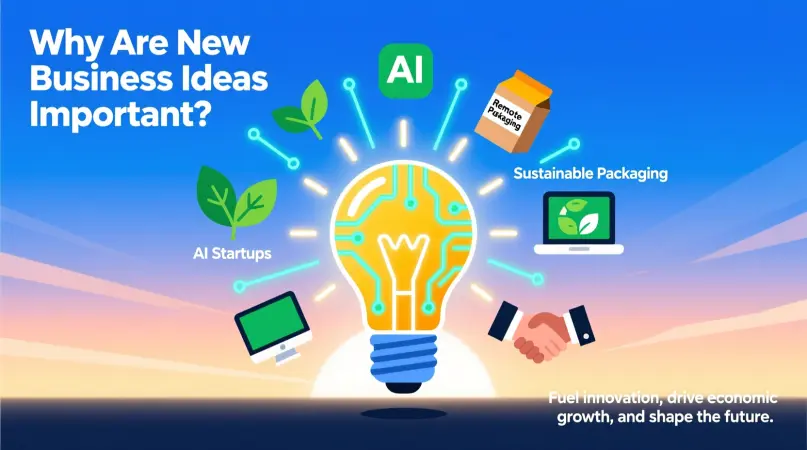
New business ideas are important because they create opportunities. They allow individuals to escape limited job options and build something of their own. In many cases, they also help communities by creating jobs and offering better services.
Another reason is flexibility. Traditional jobs often limit income and growth. In contrast, small business ideas give you control over your time and earning potential. You can start small, test your idea, and grow at your own pace.
New business ideas also encourage innovation. They push people to think differently and find smarter solutions. This mindset is valuable even if your first idea does not succeed. Each attempt teaches lessons that improve future decisions.
Finally, profitable business ideas help protect you financially. Multiple income streams reduce risk and increase stability. In uncertain economic times, having your own business can be a powerful advantage.
Detailed Step-by-Step Guide
Step 1: Identify Your Skills and Interests
Start by listing what you are good at. Include skills from work, hobbies, and daily life. When your business matches your interests, staying motivated becomes easier.
Step 2: Study Market Demand
Look for problems people complain about. Read reviews, observe trends, and talk to potential customers. Strong startup ideas always solve a clear problem.
Step 3: Analyze Competition
Competition is not bad. It proves demand exists. Study what others offer and find gaps you can fill with better quality or service.
Step 4: Choose a Simple Business Model
Avoid complex systems at the start. Simple pricing and clear services help you focus on delivery and learning.
Step 5: Test Before Investing Big
Start small. Offer your service to a limited audience and collect feedback. This reduces risk and improves your idea.
Step 6: Create a Basic Plan
Write down your goals, costs, and expected income. A simple plan keeps you focused and realistic.
Step 7: Build Your Presence
Use basic tools like social media or a simple website. Clear communication builds trust quickly.
Step 8: Improve and Scale Slowly
Once you see results, reinvest profits to grow. Scaling slowly helps you manage quality and stress.
Benefits of New Business Ideas
- Low entry barriers for beginners
- Flexible working hours
- Potential for high income growth
- Personal skill development
- Independence and control
- Ability to start small and scale
Disadvantages / Risks
- Income uncertainty at the start
- Requires discipline and consistency
- Risk of poor planning
- Market changes can affect demand
- Initial learning curve
Common Mistakes to Avoid
Many beginners rush without research. Skipping market study often leads to weak results. Another mistake is trying to copy others exactly. Successful small business ideas need uniqueness. Overspending early is also common. Focus on value, not appearance. Finally, ignoring customer feedback slows growth and reduces trust.
FAQs
What are the best new business ideas for beginners?
The best ideas are simple services like freelancing, online support, or local services that match your skills and budget.
How much money do I need to start?
Many startup ideas require very little money. Skills-based services can start with almost no investment.
How long does it take to become profitable?
It depends on effort and demand. Some profitable business ideas show results within months, while others take longer.
Can I start while working a job?
Yes, many people start part-time. This reduces risk and allows steady learning.
Do I need a team at the beginning?
No, most new business ideas start solo. Teams are useful later when scaling.
What if my first idea fails?
Failure is a learning step. Analyze mistakes, adjust, and try again with better planning.
Expert Tips & Bonus Points
Focus on solving one problem well. Keep learning from customers and competitors. Track expenses carefully. Build relationships, not just sales. Stay patient and consistent, as real success takes time.
Conclusion
New business ideas offer real opportunities for people who want growth, freedom, and financial control. While the journey is not always easy, the rewards can be meaningful. The most important step is starting with clarity. When you understand your skills, research the market, and take small, smart actions, success becomes more achievable.
This guide showed that new business ideas are not about luck or shortcuts. They are about planning, testing, and improving. Beginners often feel overwhelmed, but simple steps make the process manageable. Intermediate learners can refine their approach and scale wisely.
Remember, every successful business once started as an idea. By avoiding common mistakes, managing risks, and staying focused, you can turn your vision into reality. Take your time, stay consistent, and trust the process. With the right mindset and effort, your journey into new business ideas can lead to long-term growth and satisfaction.