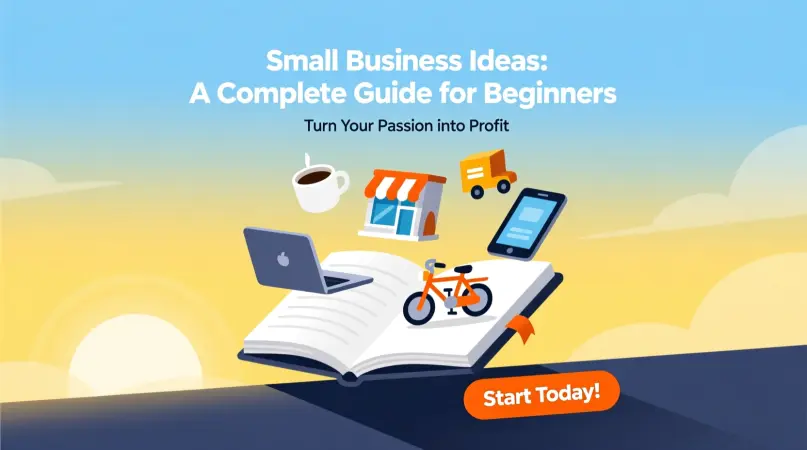

Starting a business can feel overwhelming, especially if you’re just beginning your journey. Many people dream of being their own boss, earning a steady income, and pursuing a career they love. Small business ideas can be the perfect solution for those who want to take control of their financial future without investing millions. Whether you are looking for something part-time, a home-based business, or a full-fledged venture, the right idea can make all the difference.
In this guide, we will explore the concept of small business ideas, why they matter, and how you can start one successfully. From choosing the right idea to understanding potential risks, this article covers everything a beginner or intermediate entrepreneur needs. By the end, you’ll have actionable insights and inspiration to launch your own business confidently.
Finding the right small business idea is not just about earning money; it’s about matching your skills, passion, and market demand. We will also discuss common mistakes to avoid, benefits and disadvantages, and expert tips to help your business grow sustainably. Whether you are looking for creative opportunities, service-based businesses, or online ventures, this article offers a practical roadmap for anyone ready to take the leap.
With the right guidance and strategy, even a small idea can grow into a profitable and fulfilling business. Let’s dive into what small business ideas are and how you can turn your vision into reality.
What is Small Business Ideas?
Small business ideas are concepts or plans for starting a business that typically requires minimal investment, fewer employees, and manageable operations. These ideas are often designed to cater to niche markets, local communities, or online audiences.
A small business can be anything from selling handmade products, offering professional services, starting a small cafe, or running an online store. The key is that it allows individuals or small teams to manage operations efficiently while growing their income and skills.
Some examples of small business ideas include:
- Freelance writing or graphic design services
- Dropshipping or e-commerce stores
- Homemade bakery or food delivery service
- Cleaning services or home maintenance
- Digital marketing consultancy
Small business ideas are flexible, making them ideal for beginners who may not have experience managing large companies. They provide a starting point for learning essential business skills, including marketing, customer service, financial management, and product development.
Why is Small Business Ideas Important?
Small business ideas are important for several reasons:
- Financial Independence: They offer a way to earn money on your own terms without relying on a traditional 9-to-5 job.
- Skill Development: Running a small business helps you develop practical skills in management, marketing, and customer service.
- Flexibility: Small businesses allow you to work on your own schedule, making it easier to balance personal and professional life.
- Market Opportunity: Even niche markets can be profitable with the right approach, allowing small businesses to thrive in specialized areas.
- Job Creation: Small businesses contribute to the economy by creating jobs and promoting entrepreneurship.
For beginners, starting a small business can be a stepping stone toward long-term financial stability and career growth. Even if the business remains small, it can generate consistent income and personal satisfaction.
Detailed Step-by-Step Guide to Starting a Small Business
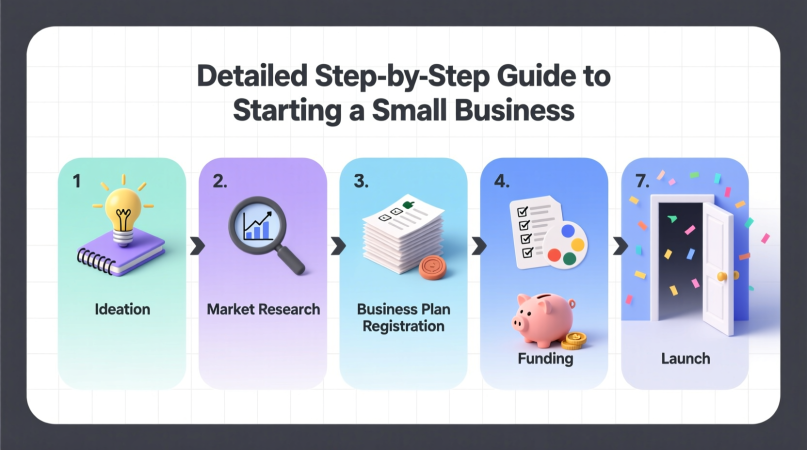
Step 1: Identify Your Skills and Interests
The first step is to evaluate your skills, experience, and passions. Ask yourself:
- What am I good at?
- What do I enjoy doing?
- Can this skill or passion solve a problem for others?
Choosing a business idea aligned with your strengths increases your chances of success. For example, if you love baking, starting a homemade bakery or catering service could be ideal.
Step 2: Research Market Demand
Once you have a potential idea, research if there is a demand for it. Look at:
- Competitor analysis: Who else is offering this service or product?
- Customer needs: What problems are people trying to solve?
- Pricing strategies: How much are customers willing to pay?
Understanding the market helps you position your business effectively and avoid saturated areas.
Step 3: Create a Simple Business Plan
A business plan doesn’t need to be complicated. Focus on:
- Business objectives and goals
- Target audience
- Marketing and sales strategies
- Budget and funding sources
- Operational plan
A clear plan provides direction and helps you stay focused on growth.
Step 4: Choose the Right Business Structure
Decide whether you want to operate as a sole proprietor, partnership, or small company. Each structure has legal and tax implications, so consider consulting a professional.
Step 5: Register Your Business and Get Licenses
Depending on your location and business type, you may need licenses or permits. Registering your business ensures legal protection and builds trust with customers.
Step 6: Set Up Your Finances
Open a separate bank account for your business and keep track of all income and expenses. Consider using accounting software to simplify financial management.
Step 7: Build an Online Presence
Even small businesses benefit from online visibility. Create a website, social media profiles, and listings on local directories. Digital marketing is crucial to reach a wider audience efficiently.
Step 8: Launch Your Business
Start small, test your product or service, and gather feedback. Adjust your offerings based on customer response to improve quality and satisfaction.
Step 9: Market and Promote
Use multiple marketing channels such as social media, email campaigns, and local events to attract customers. Word-of-mouth is also powerful for small businesses.
Step 10: Monitor and Grow
Track your progress regularly. Identify areas for improvement and explore opportunities to expand your products, services, or target audience.
Benefits of Small Business Ideas
- Low startup cost and financial risk
- Flexibility to manage work hours
- Opportunity for personal growth and skill development
- Ability to serve niche markets
- Potential for passive income if scaled
- Job creation for yourself and others
- Control over business decisions and direction
Disadvantages / Risks of Small Business Ideas
- Unstable income in the initial stages
- High responsibility and workload
- Limited resources compared to large companies
- Risk of failure if market research is inadequate
- Time-consuming to establish a strong customer base
Common Mistakes to Avoid
- Skipping Market Research: Without understanding your audience, your business may fail to attract customers.
- Underestimating Costs: Failing to plan your budget can lead to financial stress.
- Neglecting Marketing: Even the best products need promotion to succeed.
- Lack of Focus: Trying to do too many things at once can dilute your efforts.
- Ignoring Feedback: Customer opinions are valuable for growth and improvement.
- Overconfidence: Assume nothing; always test your ideas and strategies.
FAQs
1. What are some easy small business ideas for beginners?
Some beginner-friendly ideas include freelance services, online tutoring, handmade products, cleaning services, food delivery, and dropshipping. These require minimal investment and can grow gradually.
2. How much money do I need to start a small business?
It depends on the business type. Some businesses like freelance work or digital services require very little investment, while physical stores or food businesses may need more. Starting small and scaling gradually is often the safest approach.
3. Can I start a small business from home?
Yes, many small businesses can be home-based. Examples include online stores, content creation, consulting, baking, or digital marketing. Home businesses reduce overhead costs significantly.
4. How do I find a profitable niche for my business?
Look for gaps in the market, customer pain points, and trending products or services. Conduct surveys, analyze competitors, and study industry trends to find opportunities.
5. Is it necessary to register a small business?
While not all small businesses require registration, legal registration protects your business and builds credibility. It also ensures compliance with tax and regulatory requirements.
6. How long does it take to make a small business profitable?
Profitability depends on factors like market demand, business type, marketing efforts, and initial investment. Some businesses may become profitable within a few months, while others may take a year or more. Patience and consistent effort are key.
7. Can I run a small business part-time?
Yes, many entrepreneurs start their business part-time while keeping a regular job. This reduces financial risk and allows you to test your idea before fully committing.
8. How do I promote my small business effectively?
Use a combination of online and offline marketing. Social media, email campaigns, local advertising, word-of-mouth, and partnerships with other businesses are all effective strategies.
Expert Tips & Bonus Points
- Start Small: Test your idea with minimal investment before scaling.
- Focus on Customer Needs: Always prioritize solving customer problems.
- Use Technology: Leverage social media, online tools, and e-commerce platforms to reach a wider audience.
- Network: Connect with other entrepreneurs for guidance and collaboration.
- Keep Learning: Stay updated with market trends, marketing strategies, and business management skills.
- Monitor Finances: Track every expense and income to maintain a healthy cash flow.
- Adapt Quickly: Be ready to pivot your business model if market demands change.
Bonus Tip: Consider combining online and offline strategies to maximize visibility. For example, a bakery can sell locally while also offering online orders through social media platforms.
Conclusion
Small business ideas provide an incredible opportunity for anyone looking to take control of their career and financial future. Starting a business may seem challenging, but with careful planning, research, and persistence, it can lead to long-term success. By choosing an idea aligned with your skills and interests, conducting thorough market research, and following a step-by-step approach, beginners and intermediate entrepreneurs can achieve sustainable growth.
While risks exist, the benefits—financial independence, personal development, and flexibility—often outweigh the challenges. Avoiding common mistakes, seeking feedback, and continuously learning can make your journey smoother and more rewarding. Remember, even the smallest business can become a thriving venture with the right mindset and effort.
If you’ve been dreaming of starting your own business, now is the perfect time to explore small business ideas. Take action, test your ideas, and build something meaningful that not only earns income but also brings satisfaction and growth. With dedication, creativity, and smart planning, your small business can grow into a successful and fulfilling venture.